Computational Molecular Engineering Lab
Where advanced computational science transforms complex molecular challenges into real-world solutions.
What is CMEL?
Welcome to the Computational Molecular Engineering Lab (CMEL)—where cutting-edge simulations meet molecular innovation. We specialize in molecular modelling and simulation to accelerate discovery in pharmaceuticals, biotechnology, and advanced materials—pushing the boundaries of what computation can achieve.
Our interdisciplinary team transforms complex molecular data into actionable insights, driving breakthroughs in materials science, drug discovery, and beyond. Join us as we engineer the molecular future.
The lab is based at the Institute for Informatics and Automation Problems of the National Academy of Sciences of the Republic of Armenia, in Yerevan.
Our Approach
Molecular Dynamics (MD)
Molecular Dynamics (MD) simulations are powerful computational tools that model the physical movements of atoms and molecules, revealing intricate details of molecular interactions and behaviors. They enable researchers to explore processes like protein folding, material properties, and chemical reactions with atomic-level precision, offering insights that are often inaccessible through experiments alone. Our research is supported by the excellent infrastructures from the Institute for Informatics and Automation Problems of NAS RA.
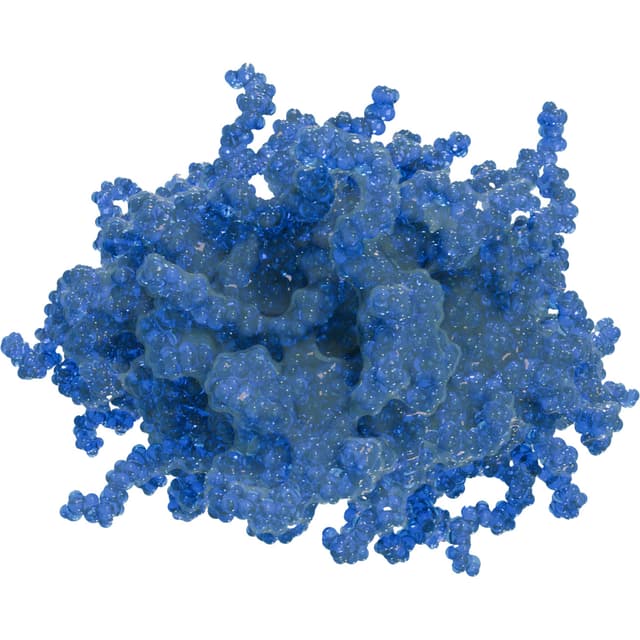
Self-assembling Structures
We explore how molecules spontaneously organize into complex, functional forms—unlocking new avenues for designing innovative materials and nanostructures.
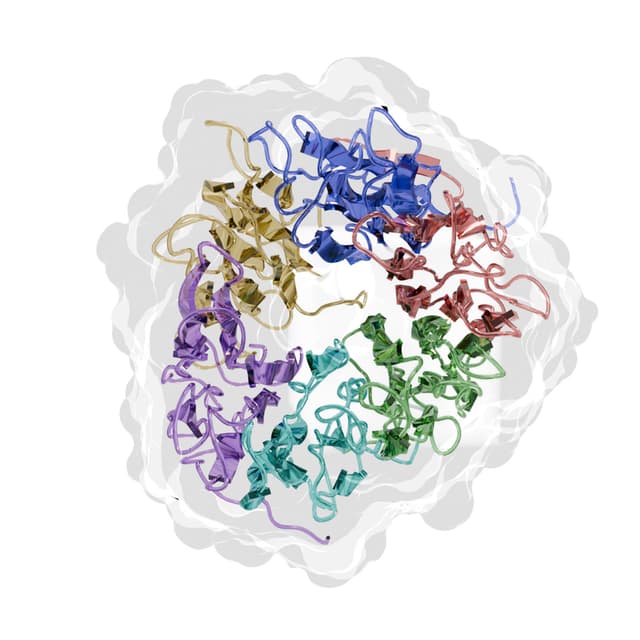
Protein Simulations
Our high-resolution simulations capture protein dynamics, revealing the intricacies of folding and interactions to drive insights in drug discovery and bioengineering.
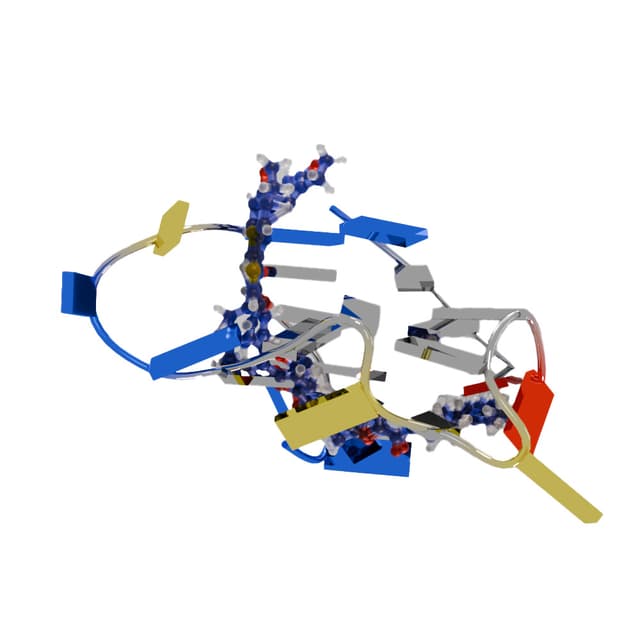
DNA-drug Interactions
We model the detailed interplay between DNA and therapeutic compounds, illuminating binding mechanisms that pave the way for targeted, effective treatments.
Surfactant and Micelle Systems
We model how surfactant molecules self-assemble into micelles, and how micelle size, shape, and stability respond to concentration and temperature. These systems underpin formulation work across pharmaceuticals and materials science.
Nanoparticle Interfaces
Simulations of the interface between nanoparticles and their surrounding solvent or biological environment reveal how surface chemistry governs aggregation, binding, and transport.
Antimicrobial Peptides
We study how antimicrobial peptides insert into and disrupt bacterial membranes, work aimed at understanding resistance and guiding the design of new candidates.
Drug Delivery
Molecular dynamics lets us follow how a carrier binds, protects, and releases its cargo, informing the design of drug delivery vehicles before they are synthesised.
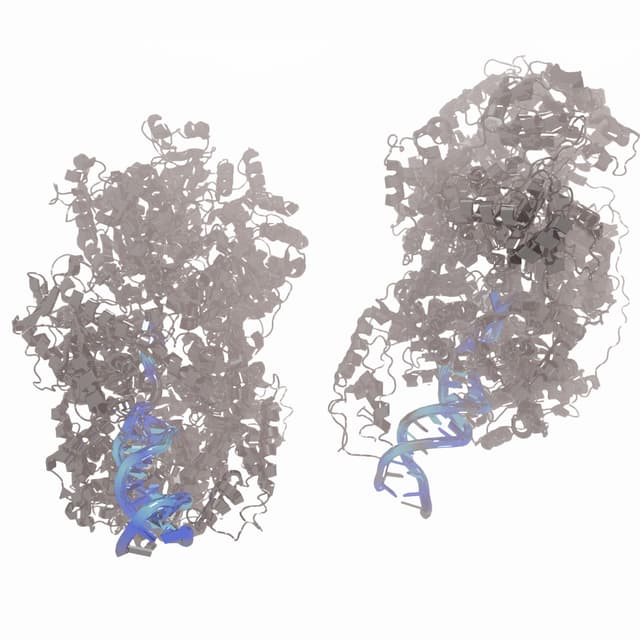
And more...
Beyond our core areas, our interdisciplinary team is ready to tackle any computational challenge—tailoring solutions to meet your unique research needs.
Our Publications
Explore our latest research and discoveries in computational molecular engineering. Our publications showcase our contributions to the field of molecular simulation and advanced materials.
View All Publications
Meet the Team
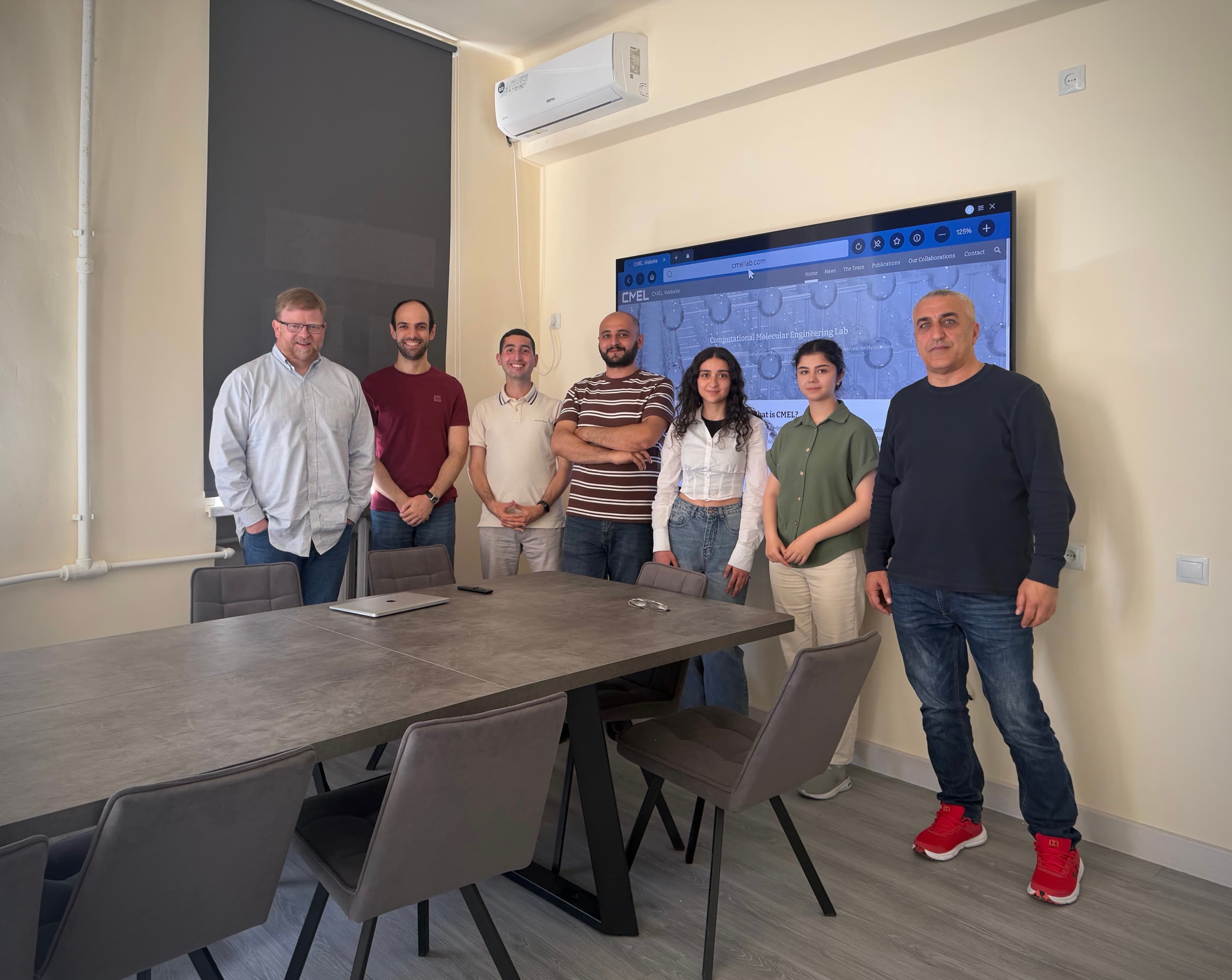
Our interdisciplinary team brings expertise in computational chemistry, molecular biology, materials science, and high-performance computing. We collaborate across disciplines to solve complex molecular challenges.
Contact Us
Have questions about our research or collaboration opportunities? Get in touch with us to learn more about what we do.
Contact Us
Ready to Collaborate?
Institute for Informatics and Automation Problems of NAS RA
3rd floor, 1 Paruyr Sevak str
0014 Yerevan, Armenia